China Staple Fiber,Polypropylene staple fiber ,Recycled polyester staple fiber, recycled polyester staple fiber manufacturers,Masterbatch,Suzhou Xincheng Textile Trading Co., Ltd.,

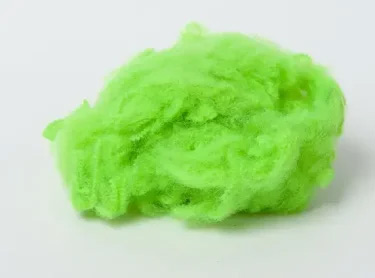
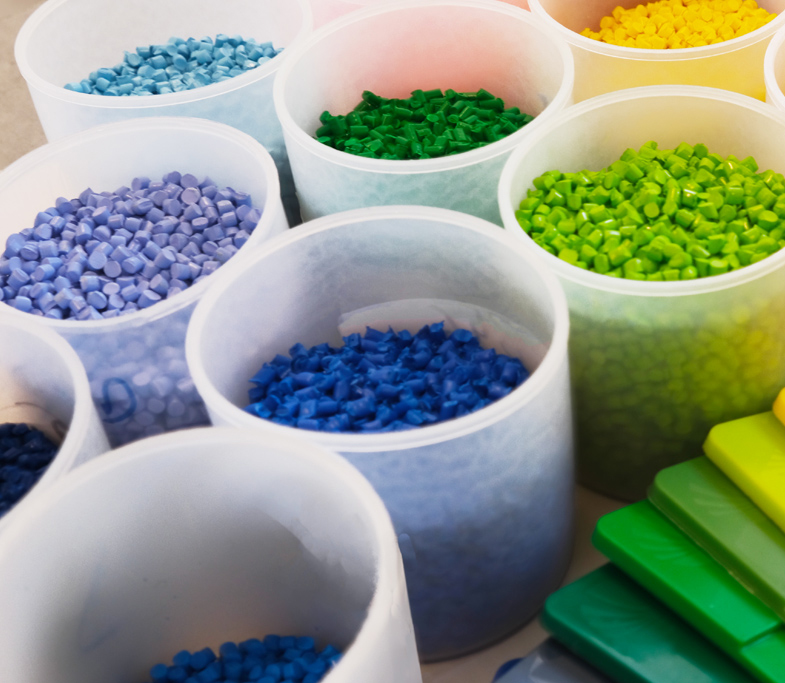
Suzhou Xincheng Textile Co., Ltd. is located in the beautiful and fertile Suzhou City, close to developed large and medium-sized cities such as Shanghai, Wuxi, Nanjing, and Hangzhou. It has a unique economic environment and geographical location, and very convenient water and land transportation. The company currently has polyester staple fiber production lines and polypropylene staple fiber production lines, with more than 150 employees. The annual output of polyester staple fiber is 30,000 tons. It mainly produces: small and medium-sized chemical and viscose spinning; the annual output of polypropylene staple fiber is 16,000 tons. At the same time, we produce masterbatches and can provide customized services according to customer needs.

The company can also tailor-make various personalized short fibers and masterbatch according to the different needs of customers. The company has strong technical force, 19 years of skilled craftsmanship and advanced quality control management system. It has a certain reputation in the market and its products are best-selling Many countries and regions around the world.

More+
HOTLINE:

0086 - 18921987391

  • Innovative Technology

  • Excellent Quality

  • Customer First

  • Sustainable Development

  • Global Network

  • Teamwork

  • Flexible Response

  • Win-win Situation

China Staple Fiber,Polypropylene staple fiber ,Recycled polyester staple fiber, recycled polyester staple fiber manufacturers,Masterbatch,Suzhou Xincheng Textile Trading Co., Ltd.,
2026/2/4

The production process of polypropylene staple fibers

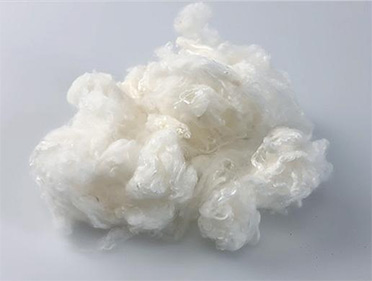
Polypropylene staple fibers, as an important type of synthetic fiber, have continuously expanded their applications in various fields in recent years. These short fibers, made from polypropylene as the raw material, have unique performance characteristics and occupy a significant position in the textile and nonwoven industries. From the perspective of production process, the production of Polypropylene staple fibers mainly involves processes such as melt spinning, stretching, curling, and cutting. During the production, factors such as the melt quality of the raw materials, the control of spinning temperature, and the adjustment of post-processing techniques all directly affect the final performance of polypropylene staple fibers. For instance, by adjusting the stretching ratio, the strength of the fibers can be changed, while the curling process gives the fibers better cohesion and loftiness. In terms of performance, Polypropylene staple fibers exhibit several remarkable features. They have a relatively low specific gravity, making the finished fabric lighter. Additionally, the strong hydrophobicity and low moisture absorption of polypropylene staple fibers give them an advantage in environments requiring rapid drying or resistance to moisture. Moreover, their excellent resistance to acids and alkalis and anti-mildew properties have expanded the application scope of polypropylene staple fibers. Currently, Polypropylene staple fibers have been widely applied in various fields. In the textile industry, they are often blended with other fibers and used to make carpets, decorative fabrics, and various clothing linings. In the industrial application sector, polypropylene staple fibers are extensively utilized in the production of geotextiles, filtration materials, and engineering reinforcing materials. Particularly on non-woven fabric production lines, due to their strong processing adaptability, polypropylene staple fibers have become an important raw material for manufacturing medical protective products, wiping materials, and agricultural covering materials. With the advancement of technology and the increasing environmental protection requirements, the polypropylene staple fiber industry is also continuously developing. Some production enterprises have begun to pay attention to the sustainability of raw materials and explore the application of recycled polypropylene in staple fiber production. At the same time, by improving production processes, they develop differentiated polypropylene staple fiber products with special cross-sections, antibacterial or UV-resistant functions to meet the diverse demands of the market.